![[Fast-Drying Pet Feeding Mat] Splash-Proof, Absorbent, Easy to Cl...](https://m.media-amazon.com/images/I/41Lj5J43BgL._AC_.jpg)



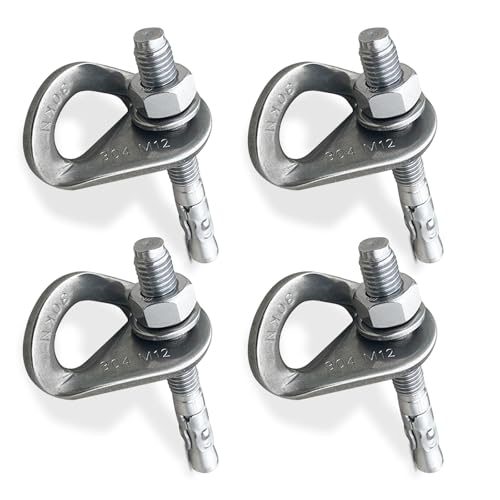

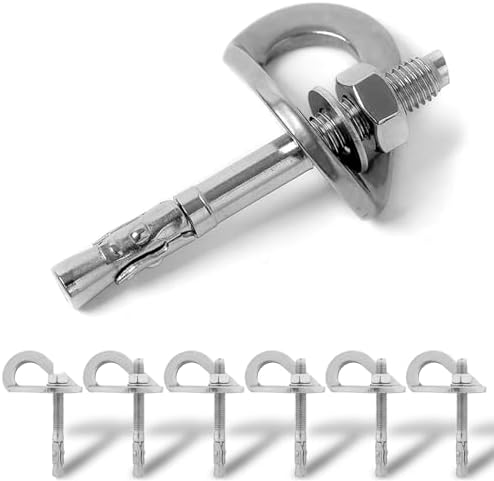

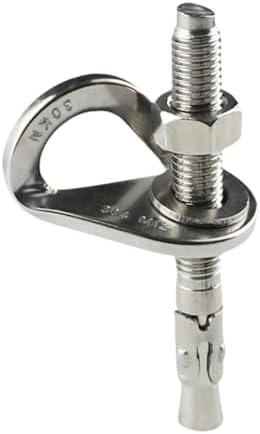

Rock anchors are critical components in civil engineering and construction, serving as essential mechanisms for anchoring structures to the ground or adjacent rock formations. Their design typically involves a high-strength steel rod or strand, which is embedded into a rock mass and grouted to provide a secure connection. This system is engineered to transfer loads from a structure into the stable geological material, thereby enhancing the overall stability of the project.
There are various types of rock anchors, including passive anchors, active anchors, and friction anchors, each tailored for specific applications and loading conditions. Passive anchors rely on the weight of the structure itself to maintain stability, while active anchors are engineered to impose a pre-tensioning force to hold structures securely. Friction anchors utilize the resistance generated within the rock mass to resist sliding forces, making them suitable for steep slopes and retaining walls.
Rock anchors play an irreplaceable role in the stabilization of structures such as bridges, buildings, and highways, as well as in ensuring the integrity of soil conditions on steep terrains. They are commonly employed for anchoring retaining walls against hydraulic pressure, securing slopes to mitigate landslides, and stabilizing foundations in seismic zones. The use of rock anchors contributes significantly to the safety and durability of construction projects, mitigating potential risks associated with ground movement and environmental conditions.
Sourcing quality rock anchors is paramount for achieving reliable project outcomes. Investigating manufacturers that adhere to stringent quality control processes and industry standards ensures the anchors can withstand the specific demands placed on them. When selecting a rock anchor manufacturer, it is fundamental to consider their expertise, production capabilities, and adherence to safety regulations, as these factors directly influence the effectiveness of the anchoring solutions deployed in the field.
Key Considerations When Searching for Manufacturers
When searching for rock anchor manufacturers in the United Kingdom, there are several crucial factors to consider to ensure that the selected company meets the necessary standards and requirements for quality and reliability. One of the paramount considerations is the manufacturer’s reputation within the industry. Researching customer reviews, testimonials, and case studies can provide valuable insights into the level of satisfaction current and past clients have experienced. A reputable manufacturer will typically have a proven track record of successful projects and satisfied customers.
Another important aspect is the certifications and accreditations held by the manufacturer. Organizations involved in construction and engineering projects often adhere to specific industry standards, and partnering with a manufacturer that possesses relevant certifications ensures compliance with these standards. This not only aids in guaranteeing the quality of the rock anchors but also reduces potential liability issues that could arise from using substandard products.
The product range offered by the manufacturer is also a critical factor. It is beneficial to select a company that provides a variety of rock anchor solutions tailored to different applications, as this can improve the likelihood of finding a product that meets your specific requirements. Furthermore, manufacturers that offer technical support and guidance can be invaluable partners, especially during the installation and maintenance phases of a project.
Pricing should also be a significant consideration; however, it should not be the sole determining factor. It is essential to evaluate the overall value provided, which includes quality, service, and after-sales support. Comparison of quotes from various manufacturers while considering these elements can help in making a more informed decision. Additionally, be mindful of red flags, such as overly low prices, lack of transparency, or poor communication, as these could indicate a lack of reliability or quality in products offered by the manufacturer.
Where to Look: Resources for Finding Rock Anchor Manufacturers
Identifying reputable rock anchor manufacturers in the United Kingdom can be streamlined by utilizing a variety of resources available both online and offline. One essential starting point is online directories, which serve as valuable databases of manufacturers within specific niches. Websites such as Yell.com and Thomson Local allow users to filter searches by location and product type, making it easier to find manufacturers specializing in rock anchors.
Industry associations also play a critical role in connecting businesses with manufacturers. Organizations such as the UK’s Civil Engineering Network provide access to a variety of resources, including lists of accredited manufacturers, events, and relevant publications. Joining these associations can offer additional benefits, such as networking opportunities and access to publications that may not be available to non-members.
Trade shows and exhibitions are excellent venues for engaging with rock anchor manufacturers. Events like the UK Construction Week showcase a range of suppliers and products, allowing attendees to meet manufacturers face-to-face. These interactions can lead to a deeper understanding of their offerings, which is crucial for making informed decisions.
Networking events are another method to uncover potential manufacturers. Local business meet-ups and industry conferences facilitate connections with other construction professionals who may provide recommendations for reliable rock anchor manufacturers.
In addition to these resources, online platforms, forums, and social media groups dedicated to construction and engineering industries can also yield valuable insights. Websites such as LinkedIn host numerous groups focused on construction materials and suppliers, providing a space to discuss experiences and recommendations. By leveraging these platforms effectively, individuals and businesses can identify reputable rock anchor manufacturers that meet their project requirements.
Contacting and Engaging with Manufacturers
Once potential rock anchor manufacturers have been identified, the next pivotal step involves initiating contact and fostering engagement. Effective communication is essential in evaluating the viability of a partnership. Start by preparing for initial outreach; this could involve drafting a concise introduction about your company, clearly stating your requirements, and outlining the specific products or services of interest.
When contacting manufacturers, it is crucial to provide essential information to facilitate a constructive dialogue. Share details such as project scope, anticipated volume requirements, and any particular technical specifications that may apply. This not only demonstrates professionalism but also assists manufacturers in assessing their ability to meet your needs effectively. Additionally, inquire about lead times, as understanding the anticipated delivery schedule is vital for project planning.
While engaging in these initial conversations, gauge the responsiveness of the manufacturer. Assess their willingness to provide detailed answers to your inquiries regarding product specifications and customization options. Precise and prompt communication often reflects the manufacturer’s commitment to customer satisfaction and efficiency. As you receive responses, consider how well they address your questions and the clarity of the information provided; this can be indicative of their approach to customer service.
Building a long-term partnership is rooted in mutual understanding and collaboration. After establishing initial contacts, maintain ongoing communication to cultivate the relationship. Periodically check in to discuss product updates, industry trends, and potential improvements to streamline processes. Through constructive engagement, it is possible to develop a reliable alliance with rock anchor manufacturers, ensuring that both parties can work together effectively to achieve common goals.
Contact information — Please use contact form on http://www.abshot.com/contact/